

The National Nurses Association of Kenya (NNAK) released the figures on Thursday, September 3, citing data from the EWENE dashboard. NNAK President Collins Ajwang said the situation is worsening, with eight maternal deaths, 16 neonatal deaths and 55 perinatal deaths recorded between Monday and Wednesday alone. The previous week saw 22 maternal, 44 neonatal and 130 perinatal deaths. Counties reporting the highest numbers include Kisumu, Nakuru, Kakamega and Kajiado.0d3037
Peopledaily
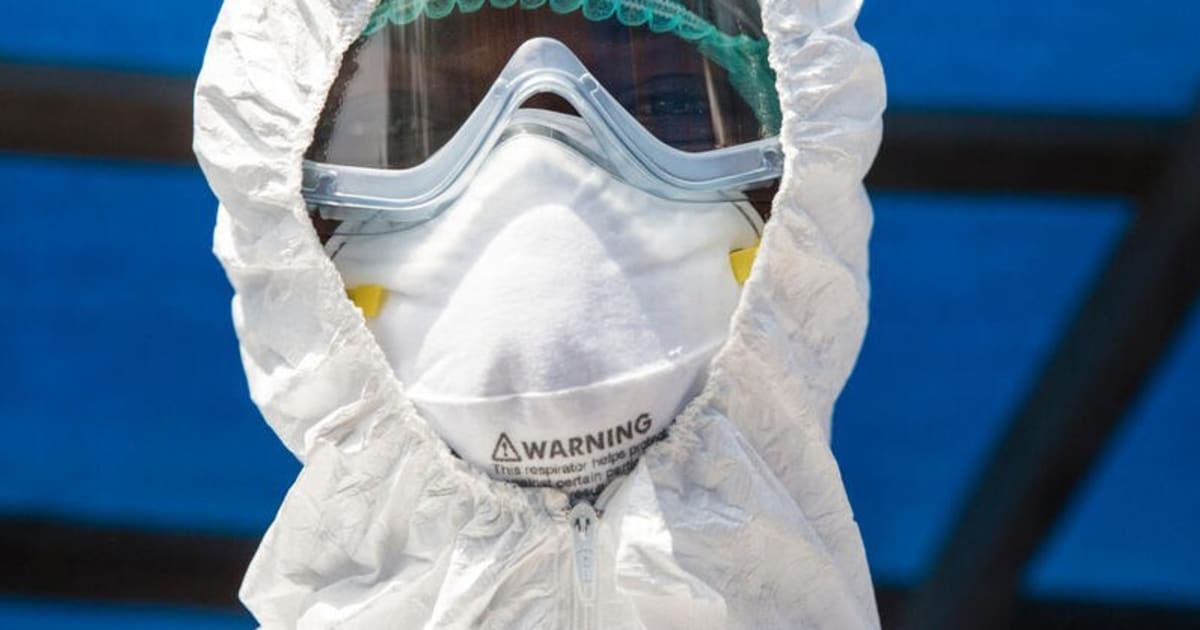
Ajwang warned that the true toll may be higher because fewer women are reaching health facilities. “These are not signs that the crisis is easing,” he said during a briefing at the association’s offices at Kenyatta National Hospital. The absence of nurses has shifted from an industrial dispute into a public-health emergency affecting patient safety, specialised care such as dialysis, and hospital admissions.
The strike, called by the Kenya National Union of Nurses and Midwives (KNUNM) over the long-pending full implementation of the 2017 Collective Bargaining Agreement (CBA), continues amid stalled talks with the Council of Governors. Union leaders have declared the action indefinite until the CBA is registered and implemented, along with related demands on permanent terms for Universal Health Coverage staff and career progression. Demonstrations, including a planned sit-in at the Salaries and Remuneration Commission, have been part of the pressure campaign.1d8ca5
Nation
Public hospitals across the country remain severely disrupted. Patients, especially expectant mothers and newborns, face the greatest risk, with reports of women being turned away or resorting to traditional birth attendants. Clinical officers have also been on prolonged strike, compounding the crisis.
Comments